Why FRP Cable Trays Outperform Steel in Corrosive Environments
A practical comparison of FRP and steel cable trays in corrosive environments — lifecycle, weight, safety and total cost.

When your cable tray runs through chemical plants, wastewater facilities, offshore platforms or any humid, corrosive environment, steel trays — even hot-dip galvanized — eventually corrode. Here is why FRP (fiberglass reinforced plastic) cable trays are the smarter choice.
1. Inherent Corrosion Resistance
FRP cable trays are formed from SMC polyester molding material with heavy corrosion resistance. Unlike steel, there is no coating to scratch or wear off — the entire structure resists acid, alkali, salt and moisture. This makes FRP the best replacement for iron cable trays in explosive, acid and alkali environments.
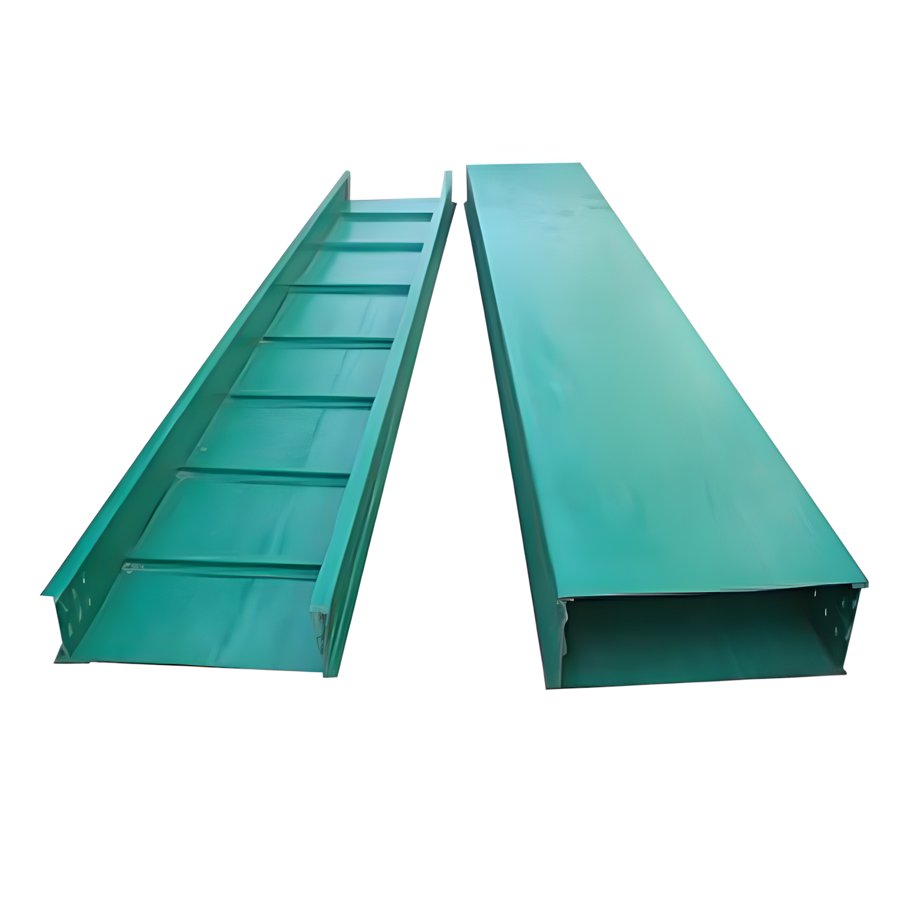
2. 75% Lighter Than Steel
Strong as steel, yet 75% lighter. That means lower shipping costs, easier handling on site, faster installation and reduced structural load on supports and buildings.
3. Flame Retardant & Electrically Insulated
Precision-pultruded composites with light stabilizers and flame retardants provide superior safety. FRP is electrically non-conductive — no spark risk in explosive atmospheres, and no grounding loops in electrical installations.

4. Long Service Life, Low Maintenance
With a normal service life of 20+ years and near-zero maintenance, FRP trays often cost less than steel over the full lifecycle — even though the initial price may be similar.
5. Multiple Types & Cost-Effective
Available in trough, ladder and perforated styles with covers and full accessories, FRP trays combine durability, aesthetic appeal and simple installation for construction, chemical, power, petroleum and light industry applications.
Need FRP Cable Trays?
Send us your project environment and cable specifications — our engineers will recommend the right tray type and size within 24 hours.