How to Choose Cable Tray Material: FRP vs Steel
Key factors when choosing cable tray materials — corrosion resistance, load capacity, flame retardancy, installation and budget.
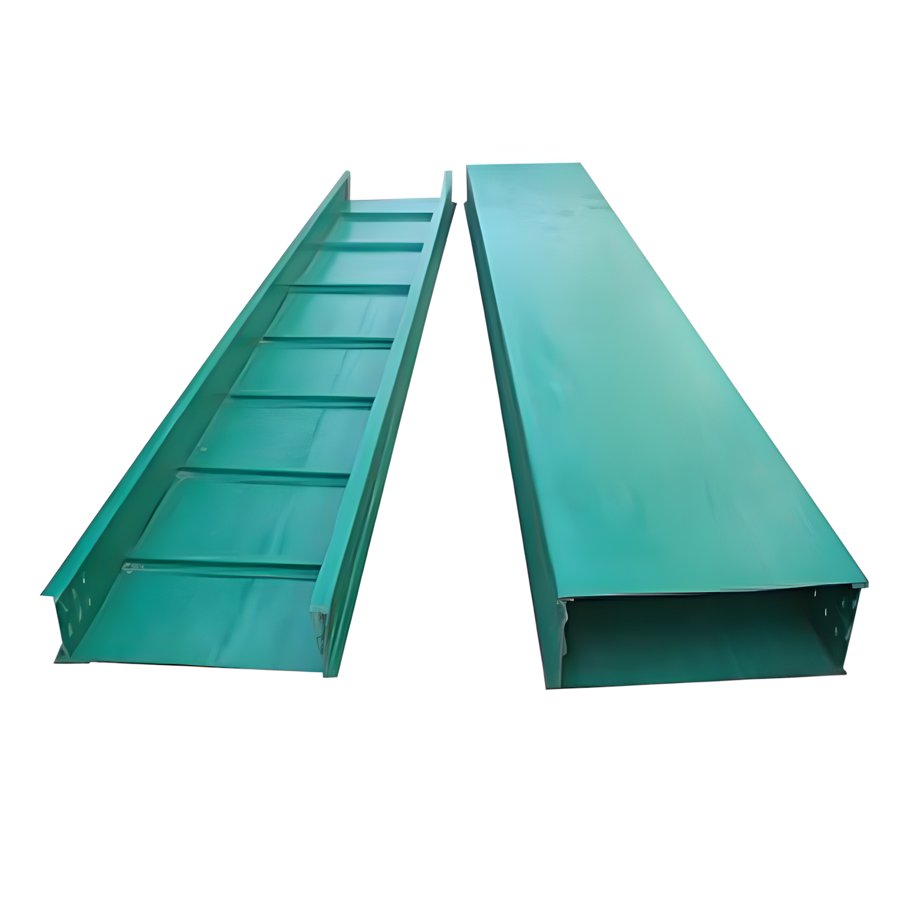
Choosing the right cable tray material is one of the most important decisions in any cable support project. The wrong choice can lead to premature corrosion, higher maintenance costs, or even project failure. This guide compares the two most common options: FRP (fiberglass reinforced plastic) and steel (hot-dip galvanized or stainless).
FRP Cable Tray
FRP cable trays are formed in one step through mechanized molding and pultrusion using SMC polyester molding material with high flame retardancy, heavy corrosion resistance and high mechanical strength.
- Best for: chemical plants, wastewater treatment, offshore platforms, coastal areas, explosive and acid/alkali environments
- Advantages: corrosion resistant, flame retardant, electrically insulated, 75% lighter than steel, low maintenance
- Service life: 20+ years in most environments

Steel Cable Tray (HDG / Stainless)
Hot-dip galvanized steel trays are cost-effective for general industrial use; stainless steel (SS304/SS316) suits the most demanding environments.
- Best for: indoor and outdoor industrial plants, power stations, general infrastructure
- Advantages: high mechanical strength, well-known standards (IEC 61537)
- Limitation: coating can be damaged; stainless is expensive and heavy

Quick Selection Guide
| Environment | Recommended Material |
|---|---|
| Chemical / corrosive / humid | FRP (or stainless steel) |
| Explosive / flammable area | FRP (non-conductive, no spark risk) |
| Offshore / coastal | FRP or stainless steel SS316 |
| Normal indoor / dry | HDG steel or FRP |
Need Help Deciding?
Not sure which material suits your project? Send us your project environment and cable specifications — our engineers will recommend the optimal material. Contact Guoshun Cable Tray for a free consultation and quotation within 24 hours.